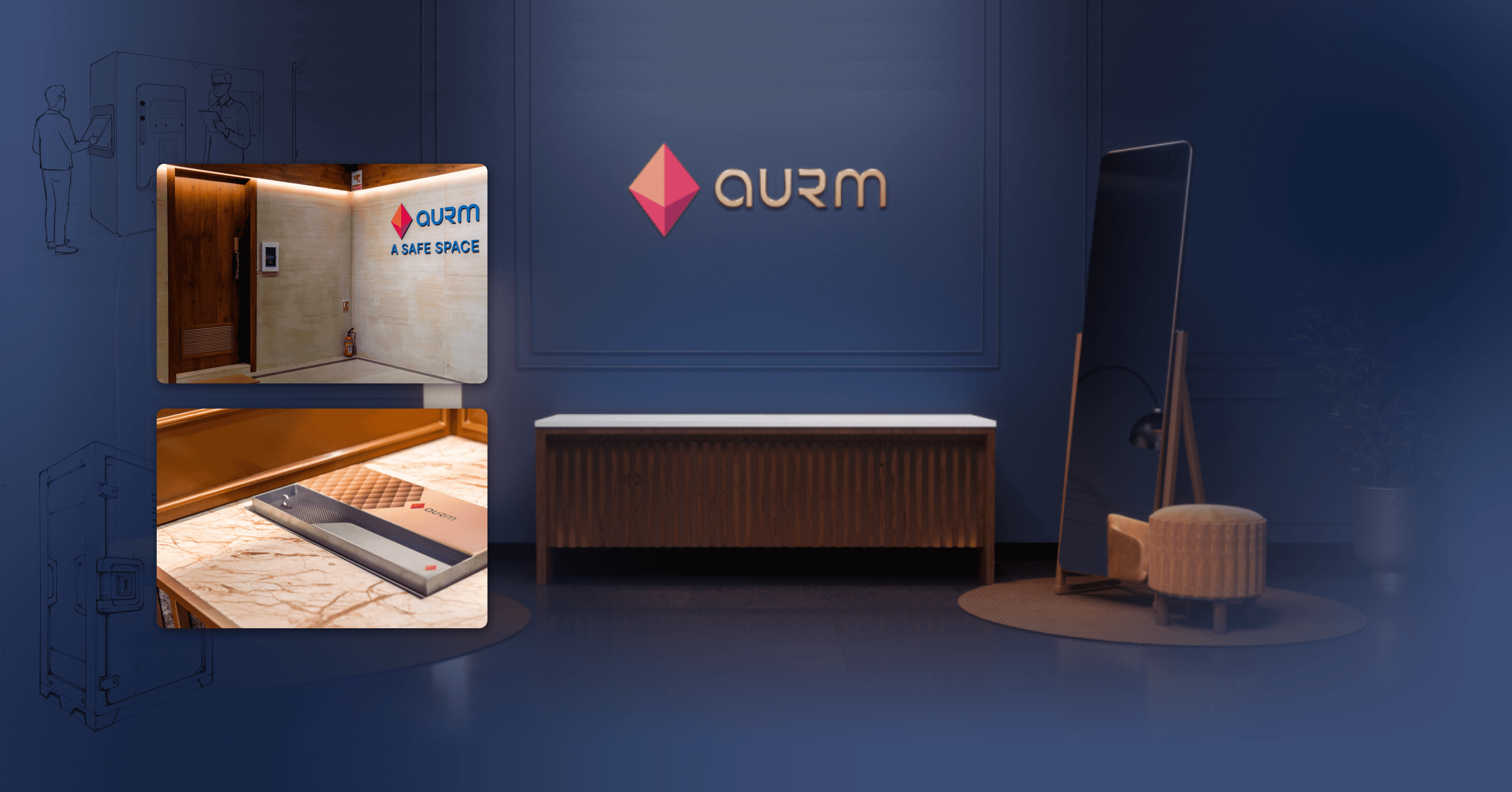
Human × Machine Interaction
Experience Mapping
Physical+Digital UX
Platform
Kiosk UX
Type
Physical-Digital experience,
Live and Deployed
My Role
UX Researcher & Product Designer — Conducted market and user studies, mapped end-to-end touchpoints, and translated behavioral insights into an ergonomic 3D kiosk environment and high-security interface
Skills
Physical UX,
Interaction Design,
Visual & Branding,
3D Space Design,
Product Designing
Overview
Banks have safety lockers. Aurm brings them home. Designed for a luxury residential complex in India, Aurm is a robotics-powered personal locker system, where I owned everything the user touches: the private access room, the kiosk ergonomics, the high-security interface, and customizable locker graphics. The robot does the heavy lifting. I made sure the human experience felt effortless.
Outcome
Locker access went from a bank trip to under 5 minutes. Resident adoption hit 80%, task success improved by 25% — all through rigorous testing of high-stakes flows where trust couldn't be an afterthought. What started as infrastructure became a personalized, premium daily ritual.

Safe deposit lockers have been part of Indian family life for generations.
Renting a small metal box inside a bank vault is one of the most common ways Indian families store gold, jewellery, property documents, and heirlooms. You visit in person. A bank employee escorts you. Two keys open the box — yours and theirs. You take what you need, lock it back, and leave.
Millions of lockers are rented across public sector banks, private banks, and cooperative societies. The system is trusted because nothing else exists.

But the reality now?
The process hasn't meaningfully changed since it was designed. The system was built for the bank, not for the person standing in front of it holding something irreplaceable.
Project Brief
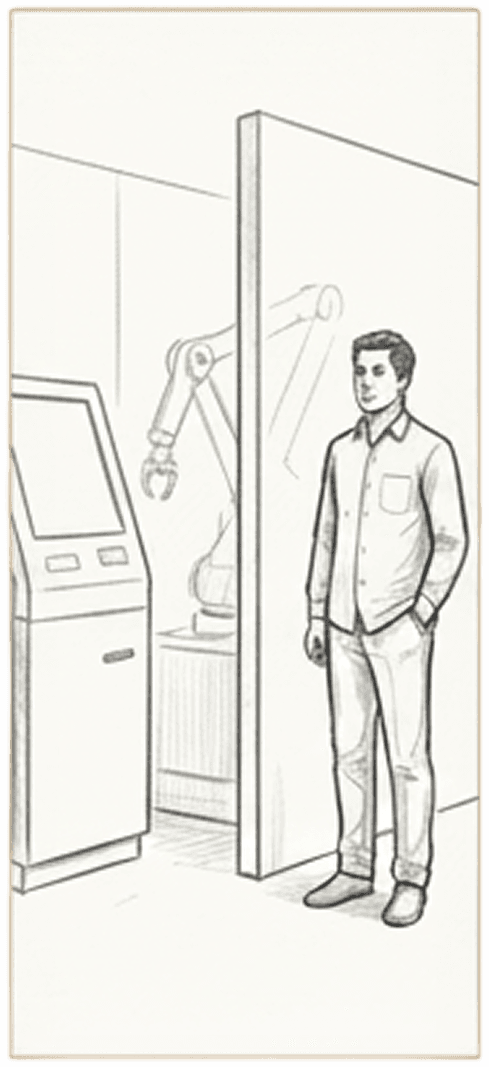
A robotics-powered locker system built for a luxury residential community in India. The challenge was to design an experience where users confidently interact with a complex robotic system through a physical kiosk interface.

Why does accessing something
you own feel like trespassing?
That was the research question. I joined as a product and UX researcher and designer, working directly with the founders of Unbind. The robotic retrieval system was pre-engineered by Unbox Robotics and designed by Unbind Studio. My scope was everything the user would touch, see, feel, and trust.

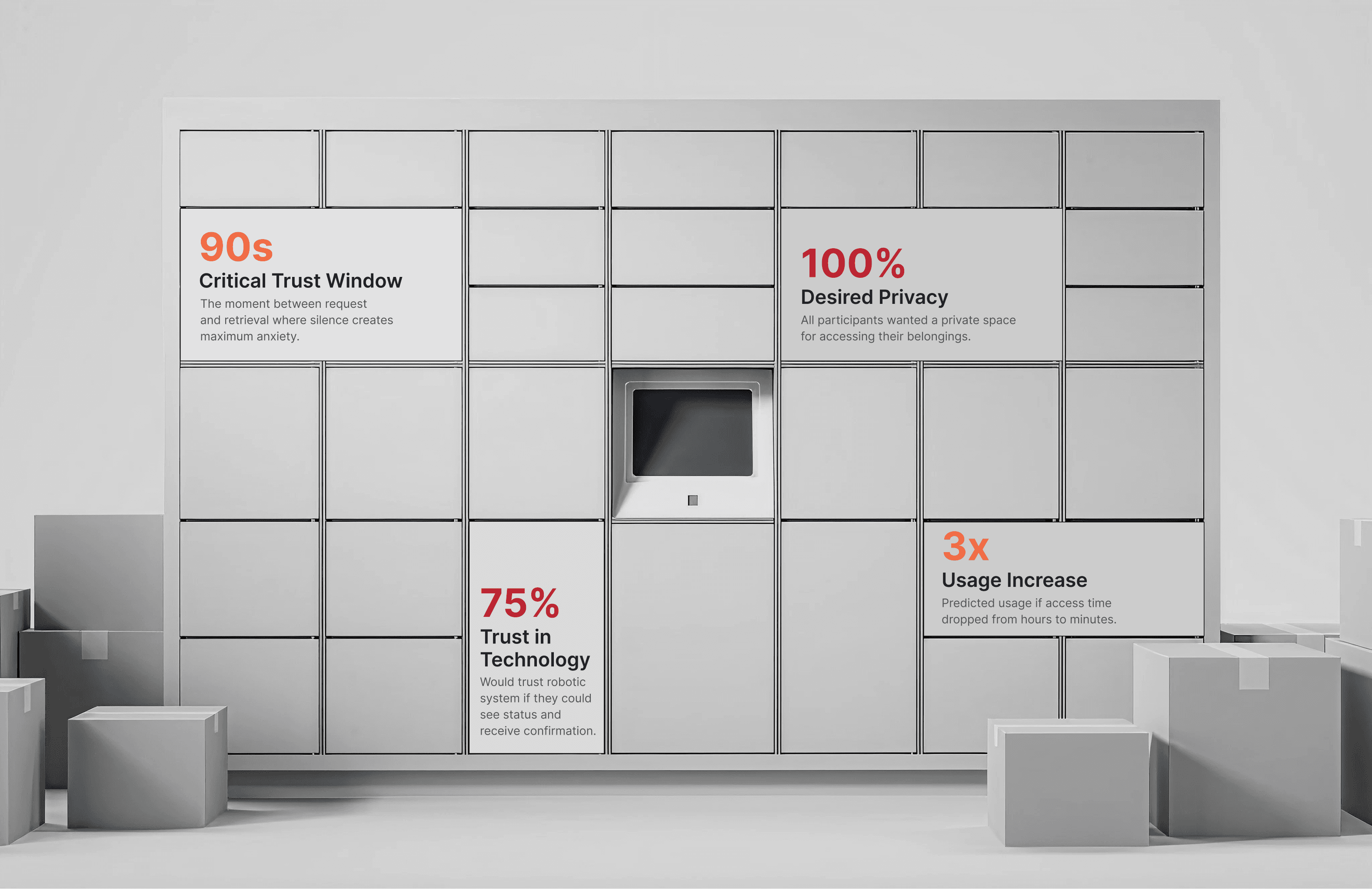
Four things kept surfacing across every interview.
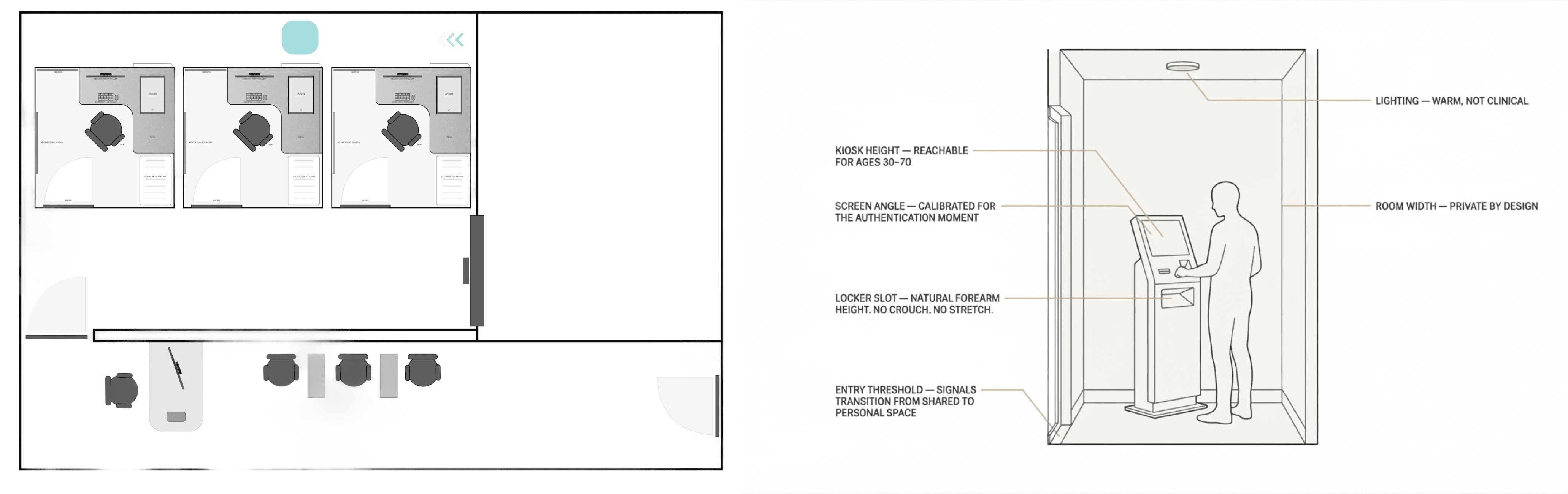
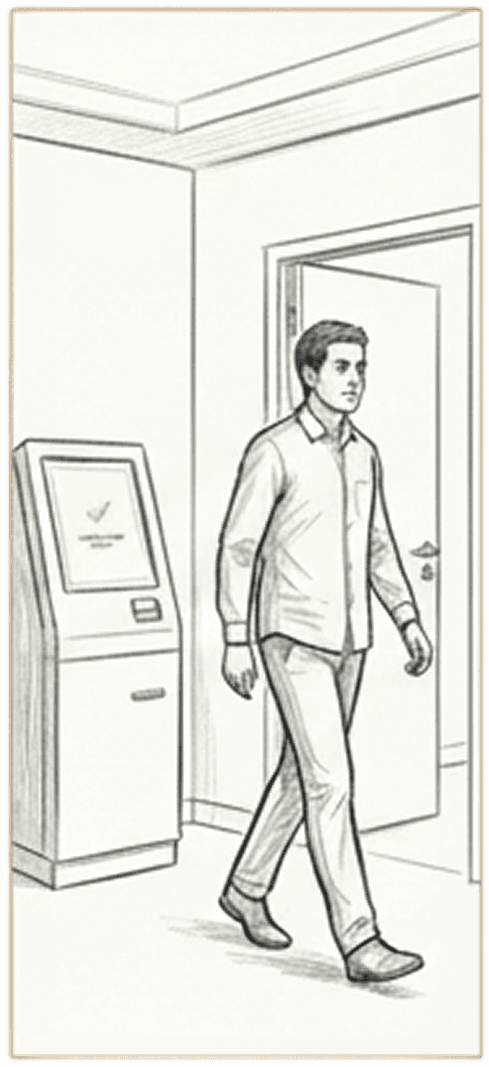
Most kiosk design is scoped to the screen. Here, the physical environment was already communicating before a resident touched anything. I designed the full spatial layout of the private access room, treating it as an extension of the interface, not a backdrop to it.
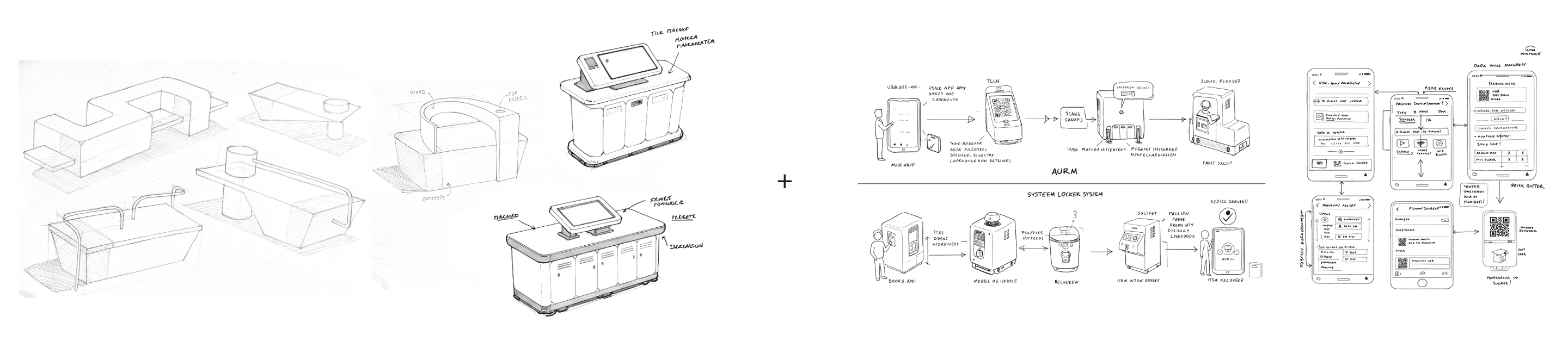
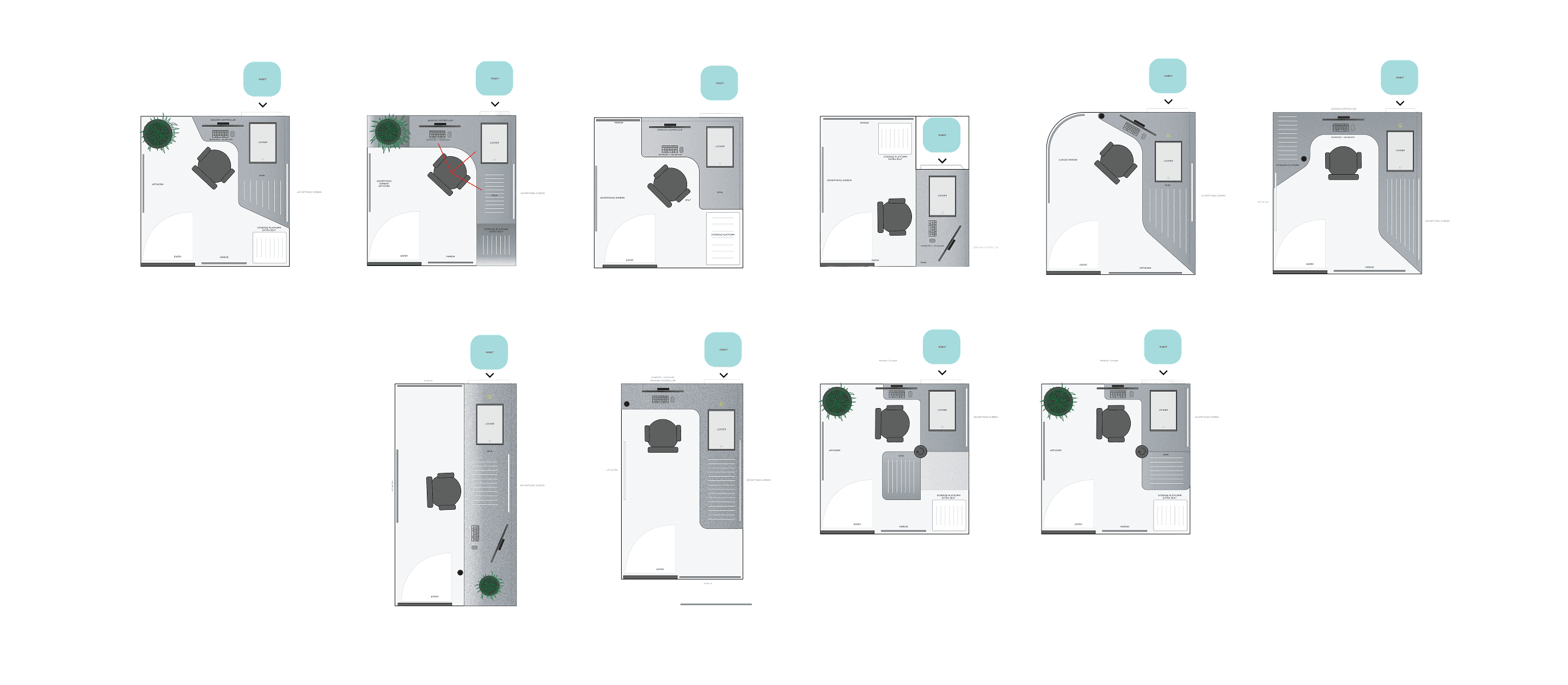
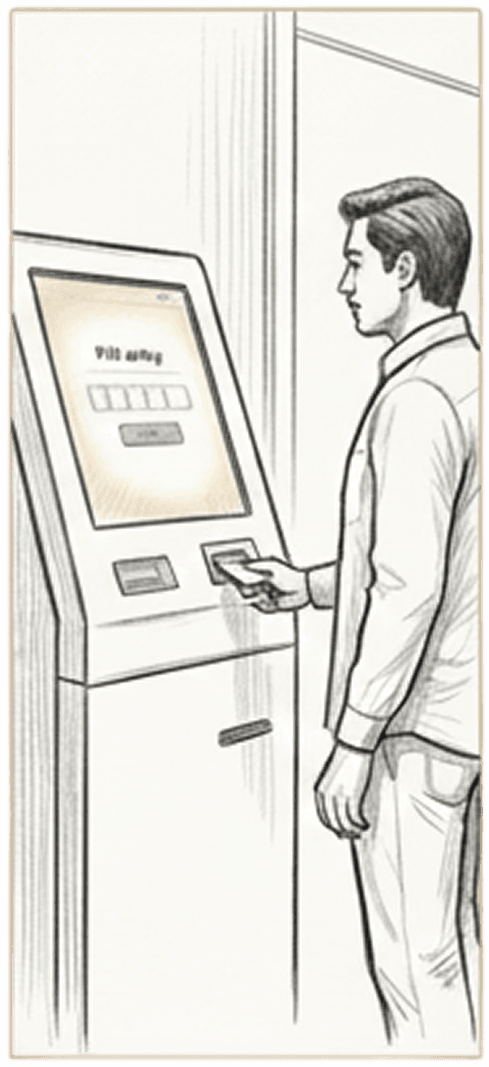
The kiosk had to work for a 30-year-old in a hurry and a 70-year-old who needed every step to feel certain, so the room, the reach, and the screen angle were all part of the same design decision.

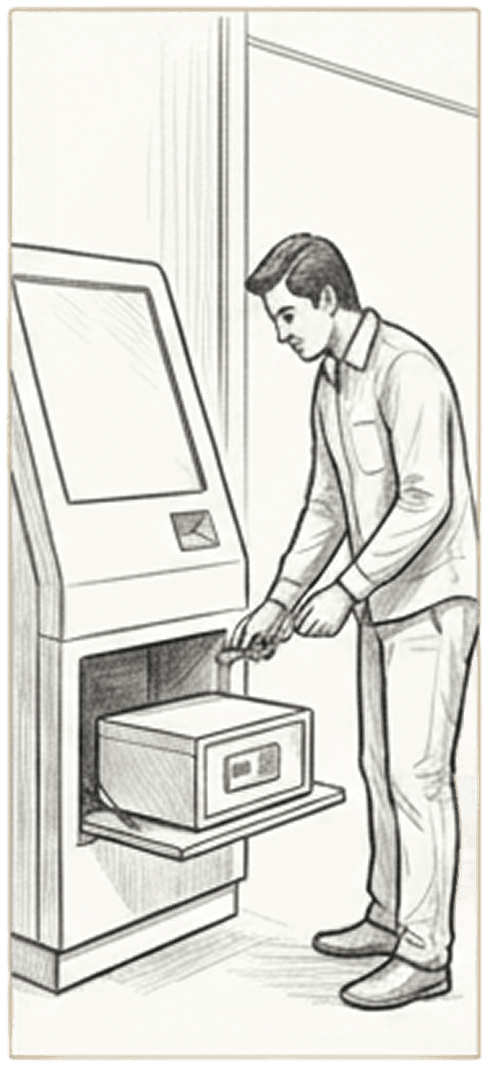

The most personal touchpoint in the system
The box is what a resident opens with their hands to reach something they love. One of my designs is on the final deployed product.
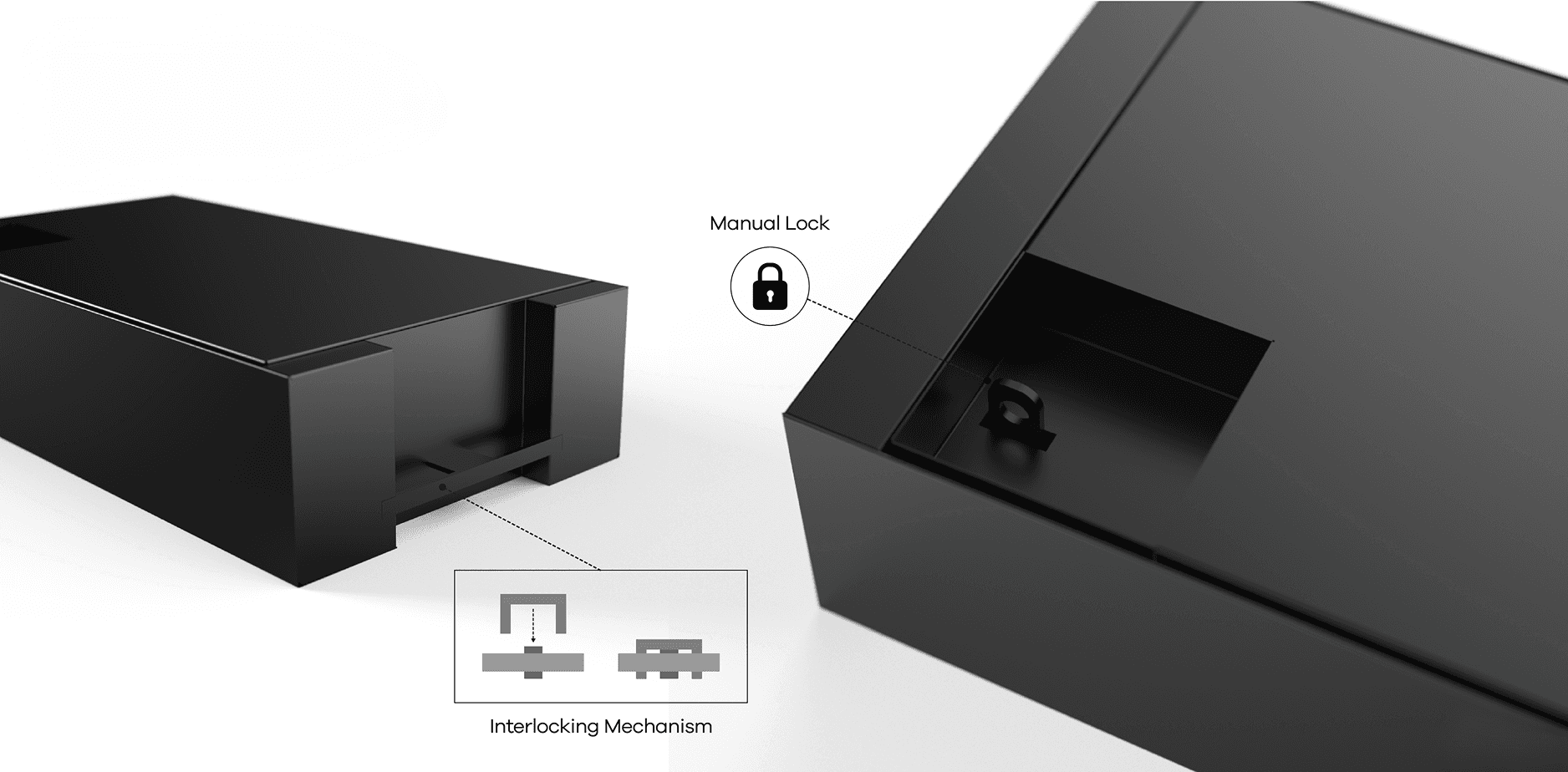


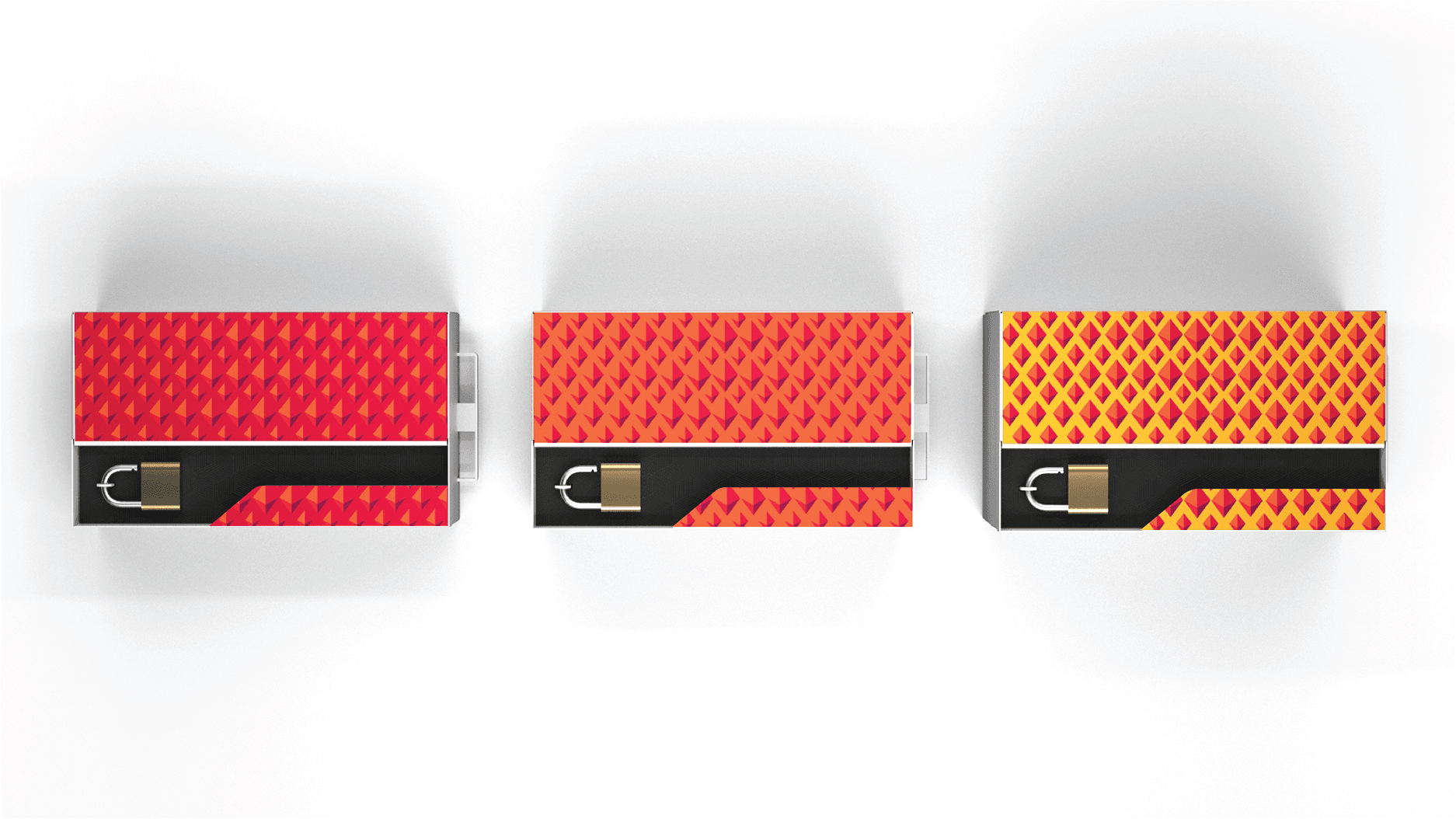
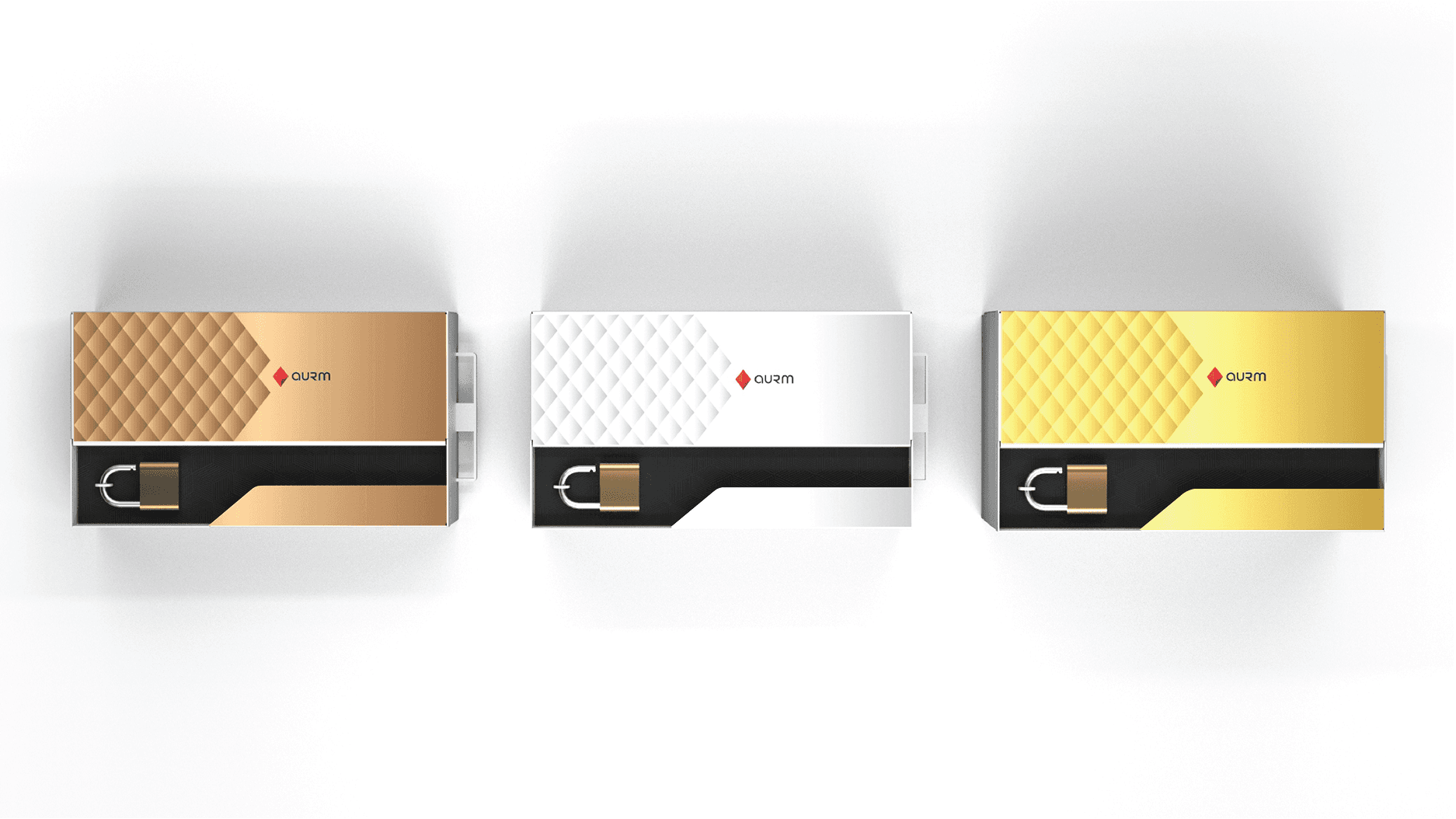





Designing at the intersection of physical and digital taught me that the room, the object, and the screen are all one experience. The user does not separate them and the design shouldn't either.
When hardware and software speak the same language, it makes the most powerful design experience.
This project taught me how to weave form, function, and feeling into a single touchpoint that residents could trust every day and I brought the rare combination of Physical-Digital Interaction Design to the team.