Consumer Product
Fintech
Habit-driven UX
Platform
Mobile Interface
Type
Consumer Product
Redesign, Fintech ·
Individual Project
My Role
End-to-end UX Research & Design — audited existing usability gaps, identified behavioral friction points across user groups, and redesigned the core expense-sharing flow around conversation and closure
Skills
UX Research,
UI Design,
Interaction Design,
Micro-interaction UX,
Design Systems,
Fintech UX
Overview
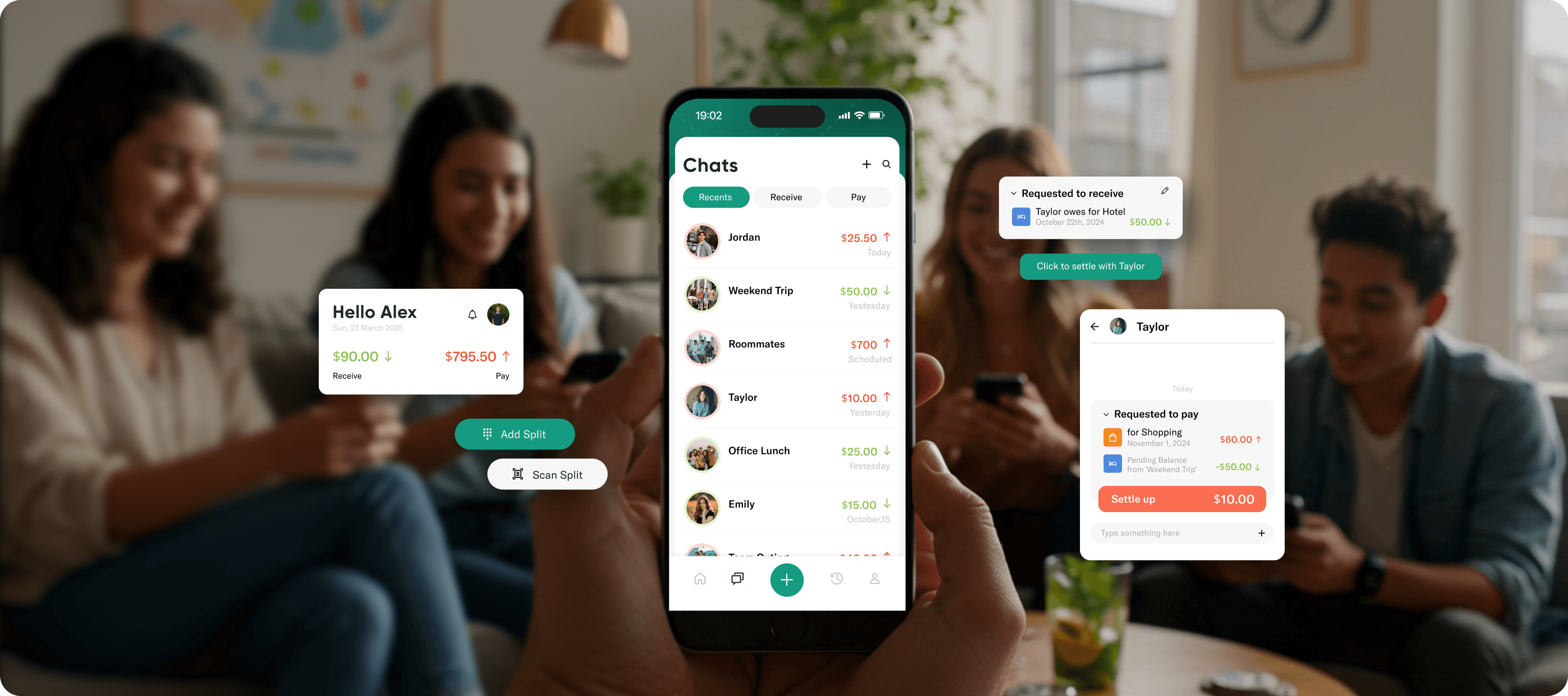
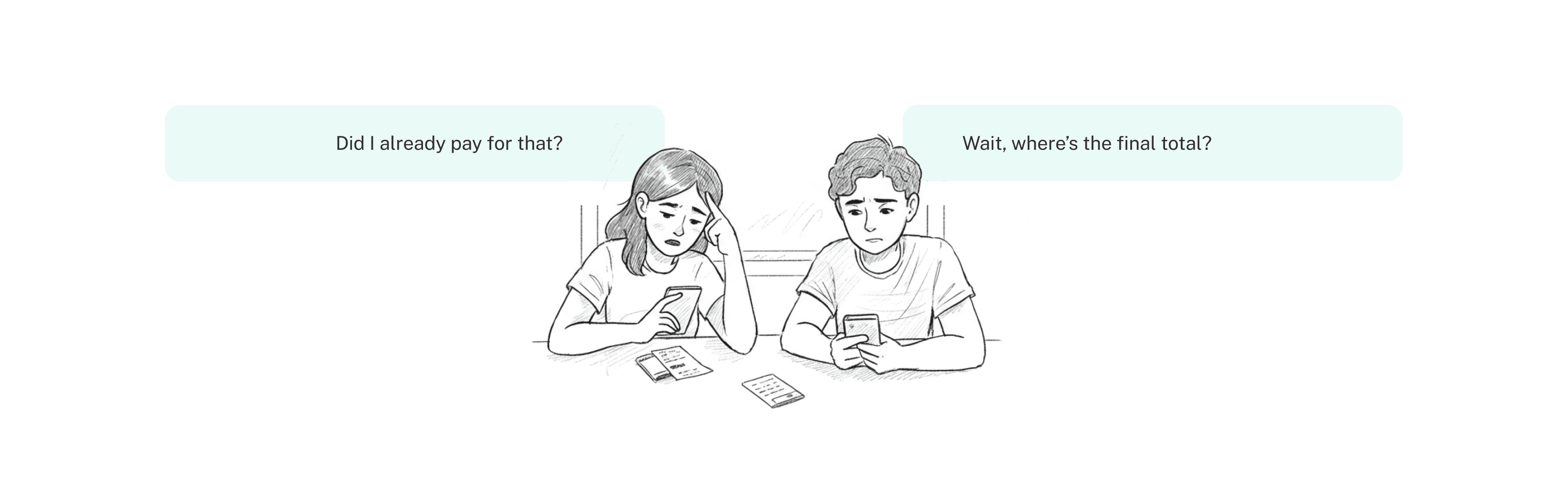
Splitting expenses should be effortless. Instead, Splitwise's transaction-heavy interface fragments context so completely that users can't tell what they owe, to whom, or whether anything was ever resolved. Money is trust and the design was quietly eroding both.
Outcome
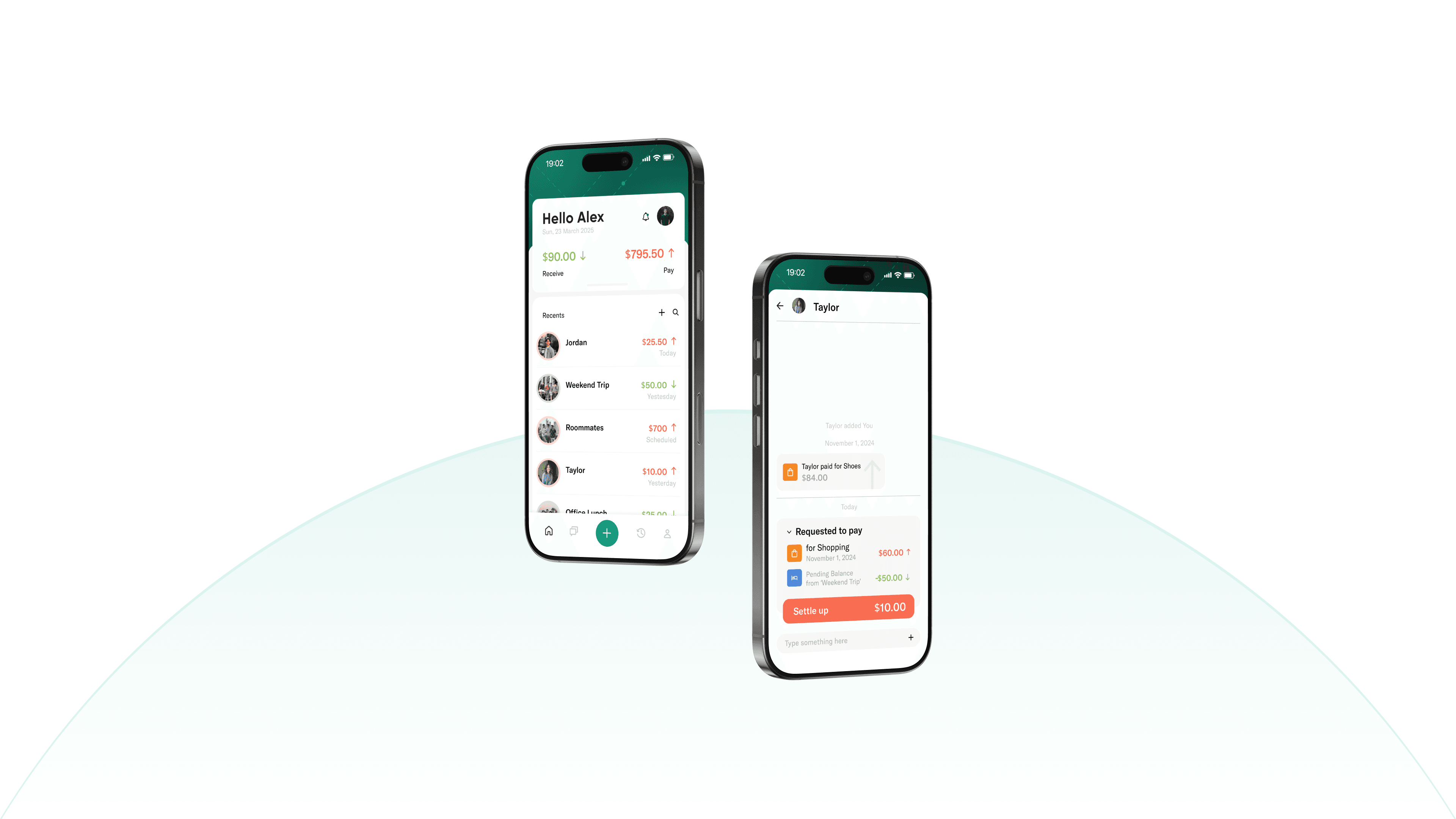
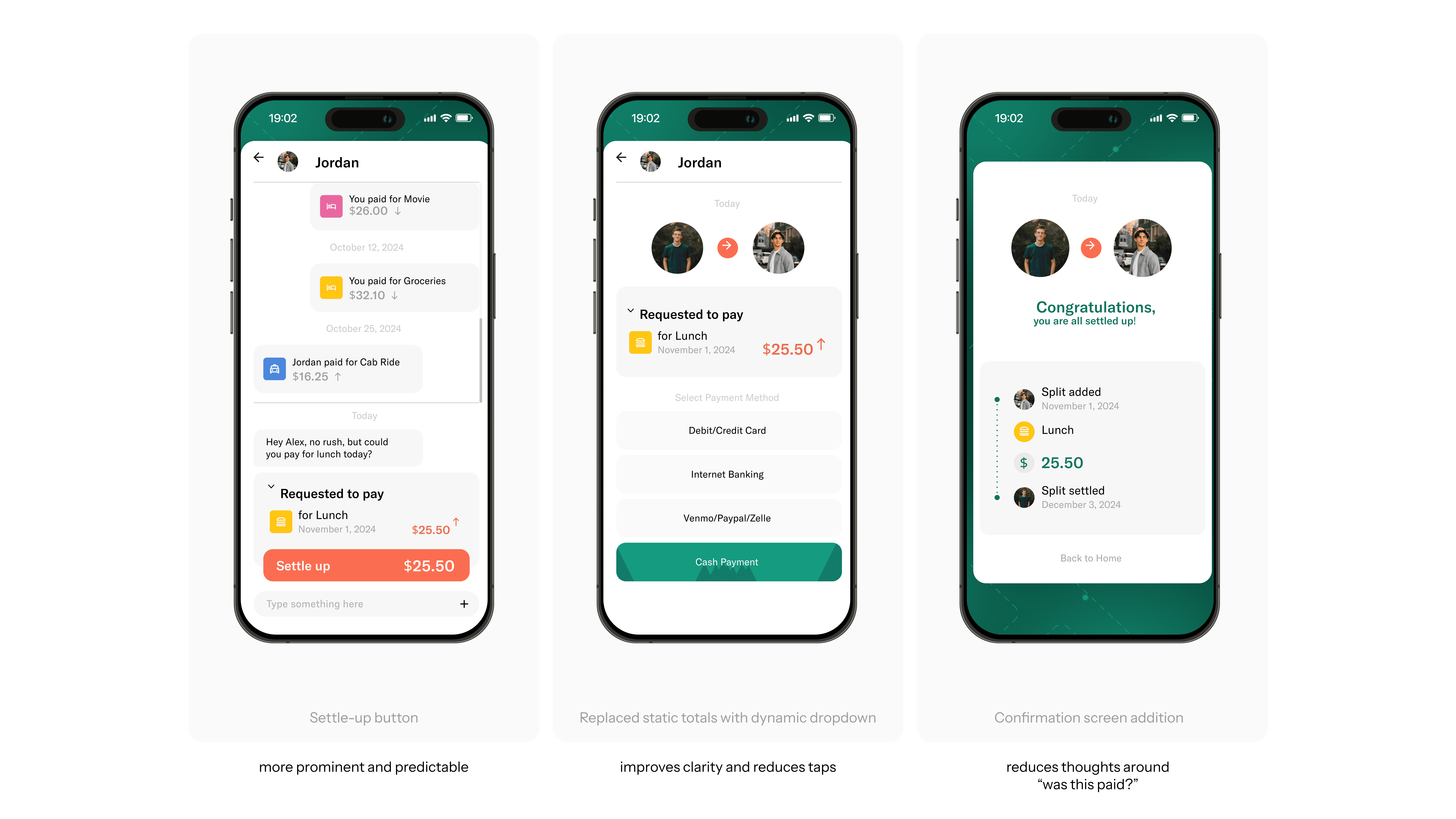
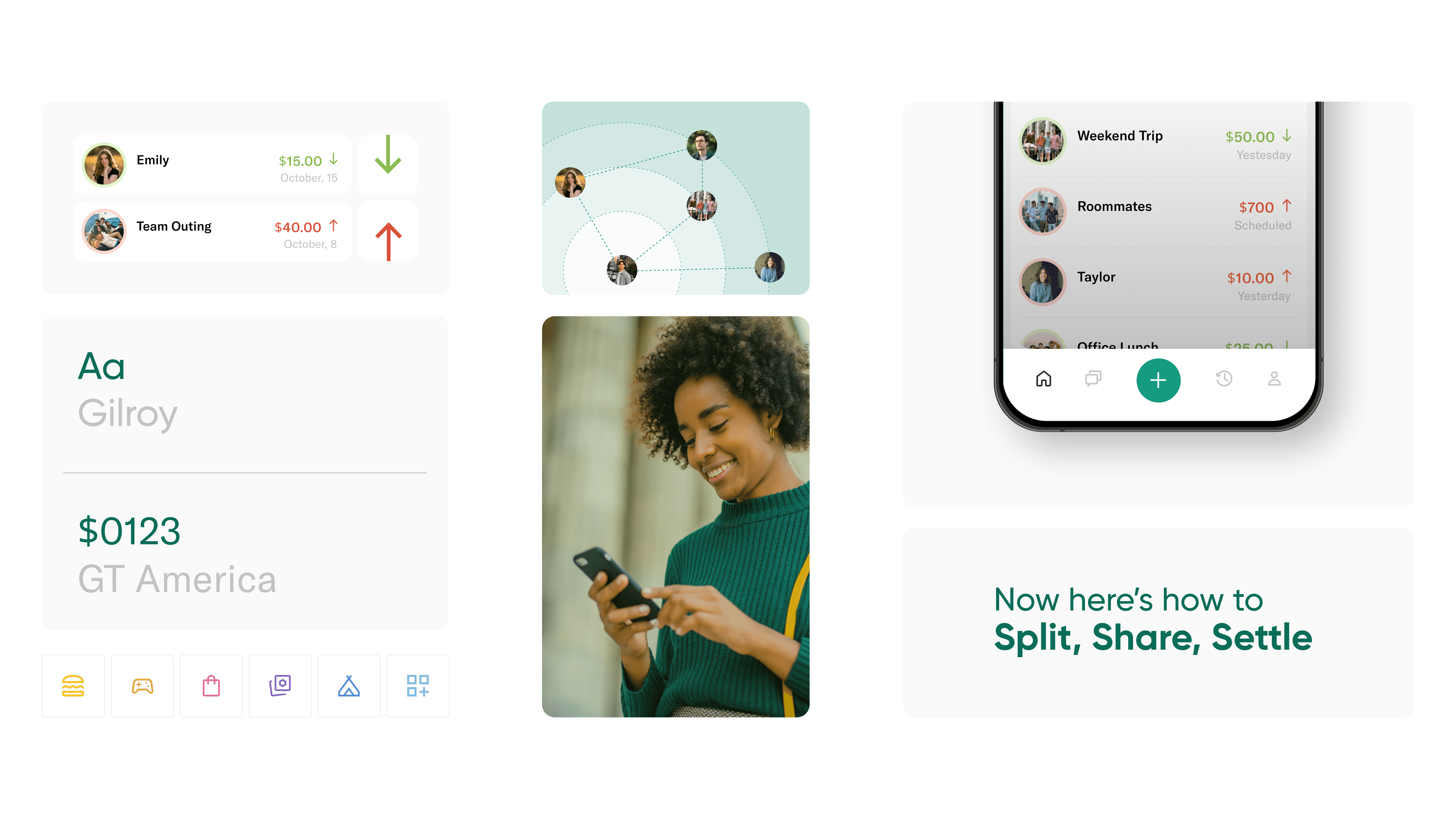
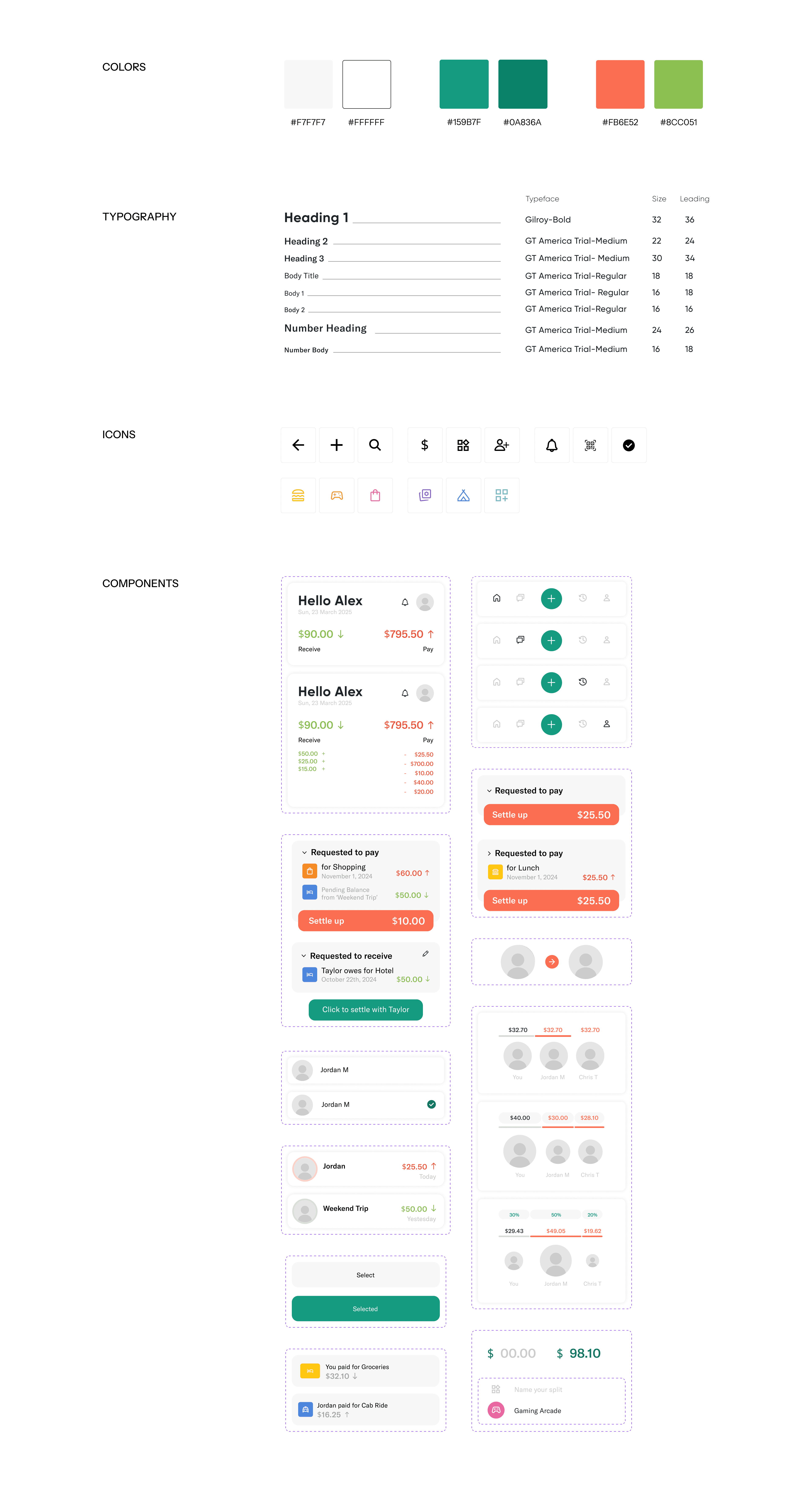
Rebuilt the experience around conversational context instead of isolated transactions with persistent settlement states, clearer splits, and a flow that guides users all the way to closure. Because a well-designed split isn't about dividing money. It's about distributing clarity.

USER GROUPS
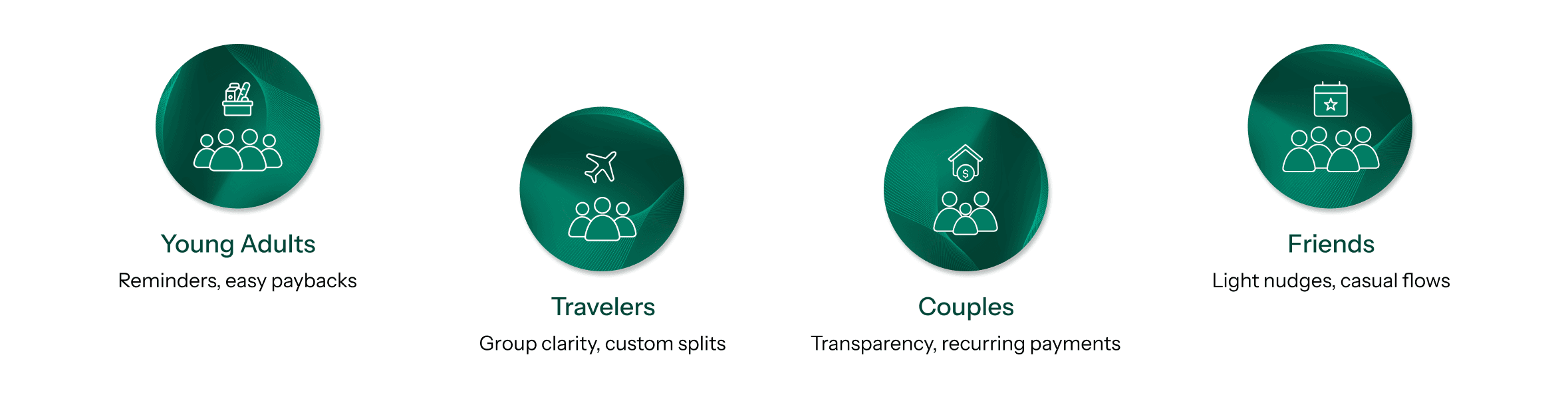
Expense sharing, shaped by different user groups
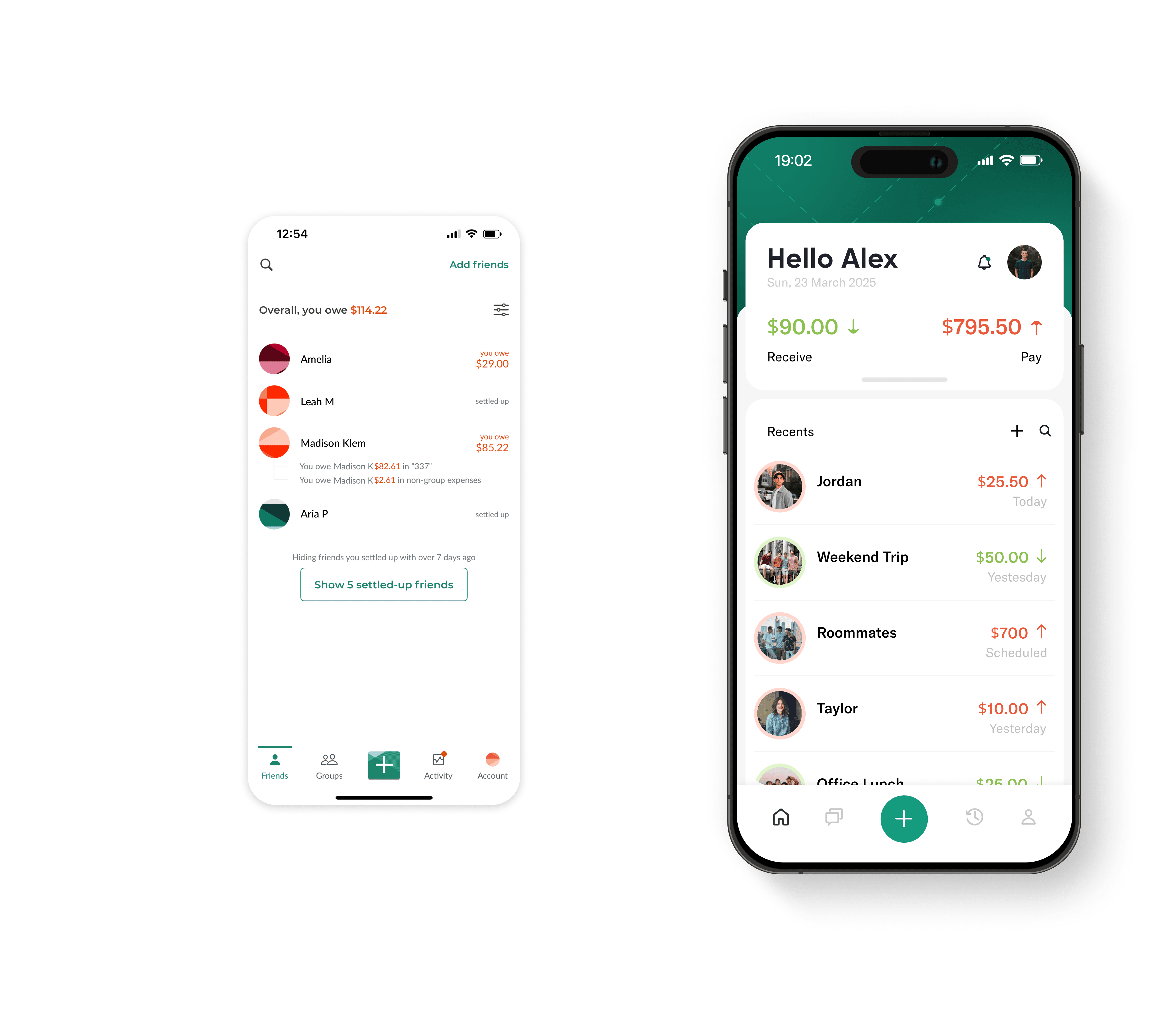
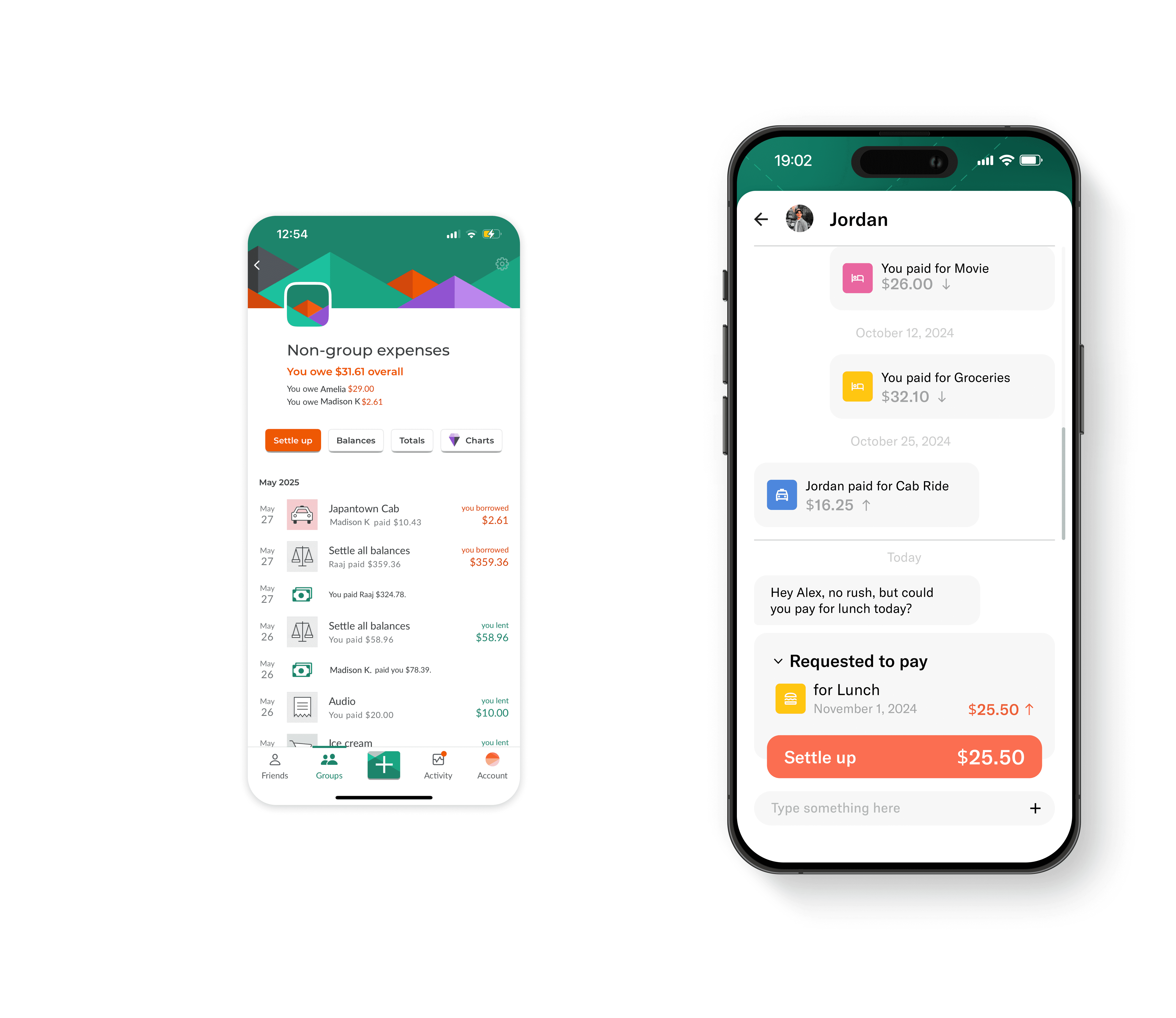
Money between friends isn't a math problem. It's a social contract with a UI on top.
The most revealing moment in this project wasn't a usability test. It was a conversation with someone who would quietly stopped using Splitwise, not because it was broken, but because opening it felt like receiving a bill from a friend. The interface had turned a shared experience into a ledger. That's a design failure no feature can fix.
What the redesign taught us is that financial tools carry emotional weight that their interfaces almost never account for. The "Settle Up" button isn't just a CTA. It's the end of a shared story; a trip, a dinner, a month of living together. Treating it as a transaction is a misread of what the moment actually means to the user.
Clarity in fintech isn't about showing more data. It's about knowing which data earns attention at which moment, and having the restraint to hide the rest. Every screen that overwhelms a user into inaction is a design that chose completeness over comprehension.
The best financial interfaces don't feel like finance at all. They feel like resolution.